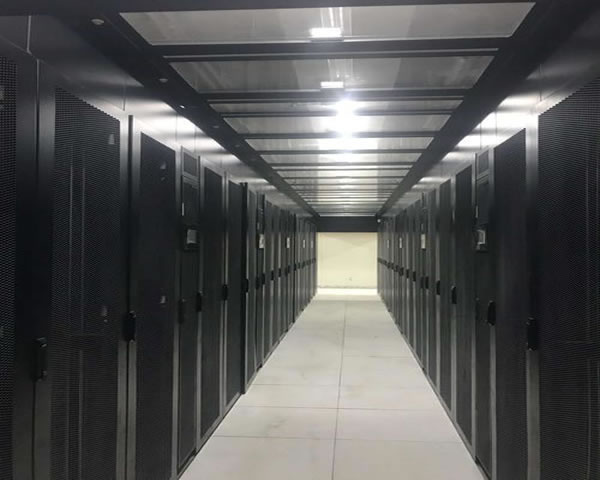
In the digital age, the demand for server hosting is increasing. As a global leader in Internet technology, the United States has attracted widespread attention for its stability and efficiency. This article will explore the division of labor model and its advantages of US server hosting to help enterprises better understand how to choose the right service provider.
Overview of the division of labor model of server hosting in the United States
The division of labor model of server hosting in the United States is mainly reflected in the division of responsibilities between service providers and customers. Typically, service providers are responsible for hardware maintenance, network connectivity and data security, while customers focus on application and content management. This model not only improves resource utilization, but also ensures the professionalism and efficiency of services.
High efficiency brought by specialized division of labor
In the division of labor model of server hosting in the United States, specialized division of labor significantly improves service efficiency. Each service link has a dedicated team, such as network engineers, system administrators and security experts. This division of labor allows every professional to concentrate on solving specific problems, thereby quickly responding to customer needs, reducing failure repair time, and improving overall service quality.
Enhanced security and compliance
US server hosting services excel in data security and compliance. In the division of labor mode, service providers usually set up special security teams to monitor network traffic, implement firewalls and other security measures. This focused security management can effectively prevent data breaches and cyber attacks, ensuring the security of customer data. In addition, the compliance team will regularly check and update security policies to comply with relevant laws and regulations.
Flexible resource allocation and scalability
The division of labor model of US server hosting also provides flexible resource configuration solutions. As the business develops, the demand for servers may change. Through a team with clear division of labor, service providers can quickly adjust resource allocation to meet different needs of customers. This flexibility allows enterprises to expand or reduce resources at any time and optimize cost investment according to actual conditions.
Improvement of customer support and service quality
Under the division of labor mode, the customer support team can quickly respond to customer problems and provide professional solutions. Service providers usually set up a 24/7 customer service hotline to ensure customers are supported at any time. At the same time, a professional technical team can provide personalized services to the needs of different customers. This efficient customer support not only improves customer satisfaction, but also enhances the company's market competitiveness.
Advantages of reducing operating costs
Through reasonable division of labor, US server hosting can effectively reduce the operating costs of enterprises. Service providers can focus on infrastructure and technology updates, while customers can focus more on their core business. Due to the clear division of labor, service providers can achieve economies of scale and reduce service costs per customer, so that customers can enjoy more competitive prices.
Summary and suggestions
The division of labor model of US server hosting provides enterprises with multiple advantages through professionalism, flexibility and efficient customer support. When choosing a server hosting service, enterprises should pay attention to the professional capabilities and service quality of the service provider. At the same time, it is recommended that enterprises regularly evaluate their own needs changes and communicate with service providers in a timely manner to achieve optimal allocation of resources, thereby ensuring the sustained growth and stable development of their business.
- Latest articles
- A Practical Guide Teaches You Common Testing Methods To Verify Whether Hong Kong Server Clusters Are Exclusive
- Contract Considerations: Caution Is Needed When Choosing Ranked Vendors For US Server Rentals
- Best Practices For SMEs Using Cambodia CN2 Return-to-China Servers To Reduce Latency Costs
- Common Troubleshooting Steps And Rapid Recovery Solutions For Taiwan Telecom CN2 Broadband
- An Automated Operations And Maintenance Solution Covering Everything From Development To Monitoring How To Build A Site On Hong Kong Cloud Servers
- From A Business Perspective, Is Vietnam's VPS Reliable? Considerations Regarding Compliance And Data Security
- Free Server Korea Security Protection Policy And Backup Implementation Guide
- Cost And Operation Management Recommendations For Enterprises Deploying Korean CN2 Site Cluster Cloud Servers
- Basic Information On Taiwan Proxy Servers, Common Terminology Explanations, And Purchase Precautions
- How To Choose A Cloud Server In Thailand: From Network Latency To After-sales Service, Comprehensive Aspects
- Popular tags
-
Five Reasons To Choose A Hosted Server In The United States
This article explores five reasons for choosing a managed server in the United States, including speed, reliability, security, support, and scalability, to help you make informed choices. -

Explore The Usage Scenarios And Recommendations Of US G-port Unlimited Traffic Servers
Explore the usage scenarios and recommendations of US G-port unlimited traffic servers, understand their advantages and applicable industries, and help business development. -

Access Process Alipay Server Us Api Call And Callback Configuration Key Points
alipay access process and configuration points for us servers, including api calls, security signatures, callback (notify) verification, https and certificates, testing and online recommendations, to improve access success rate and stability.